
Discover & Learn With Us
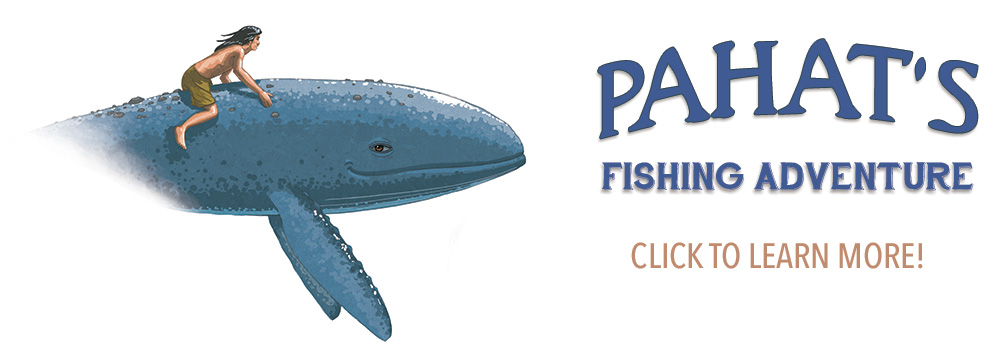
NEW BOOK - ‘Pahat's Fishing Adventure' celebrates power of storytelling
Past and present entwine to share wondrous events that bring us all closer to our source. Magical encounters and scientific discovery merge seamlessly in this captivating story!

The setting: beside a lake a young native boy plays musical bones, an ancient pastime handed down by elders and ancestors while fishing. When the boy catches a catfish and forms a friendship he discovers a prehistoric whale who tells stories of the mysteries of life, survival, coming-of-age, the great outdoors, and Mother Nature. The story is inspired by Chumash mythology.
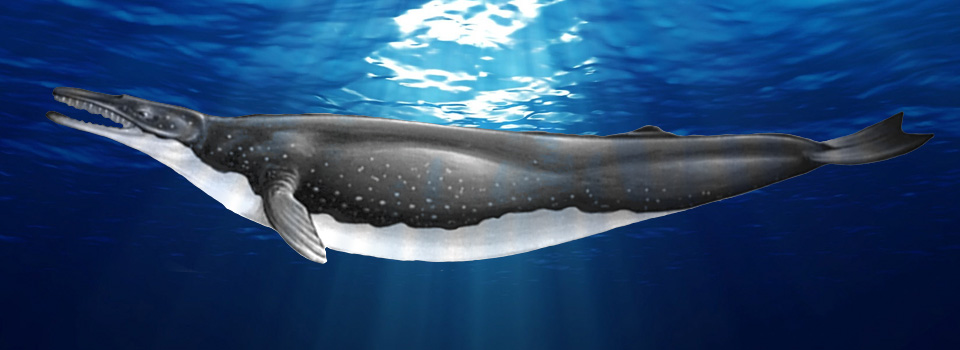
Pahat’s Fishing Adventure is based on a true story — the author’s discovery of the first 25 million-year-old fossilized toothed baleen whale, Ojai, California, January, 2000, Los Angeles County Museum Specimen 148806.
LEARN MORE
Prehistoric Whales, "ANNIE, LOUIE & WENDELL" Ojaicetidae/Ojaicetus California's first fossilized 25,000,000 year-old toothed baleen whales were discovered at Lake Casitas on January 19, 2000 by Ojai resident Aaron Plunkett. Dr. Lawrence Barnes, chief paleontologist of the marine mammal lab at the Los Angeles Natural History Museum, confirmed authenticity of the specimens brought to him by Mr. Plunkett. Dr. Barnes examined lumbar vertebrae and two symmetrically congruent posterior right mandible jawbones, deducing that two prehistoric whales exist.
Along with the preservation of this rare find, help us as we work with companion organizations to protect living whales from U.S. Navy sonar and other man made threats. View our Sound Study Project.
Los Angeles Times article: Sticking Up for
Louie & Wendell
Whales and The Natives
Rainbow Bridge
Outreach Program
Take part in the Ojai Valley Whale Society’s Whale exhibition by participating in the Ojai Whale […]
We are a Paleo-Anthropological and Cultural Preservationist group and our desire is twofold: (1) to facilitate […]
Paleo-acoustic artist Aaron Plunkett creates and produces fossil bones replicas based on his interpretation and rendition […]
Whales are believed to be about 50 million years old. The toothed baleen whale was thought […]
The goal is to keep whales from swimming into potentially dangerous areas of the ocean, and […]
“Swordfish/ (Whale) Song” – Music: These sacred songs have been passed down by Ojai’s Native Chief, […]
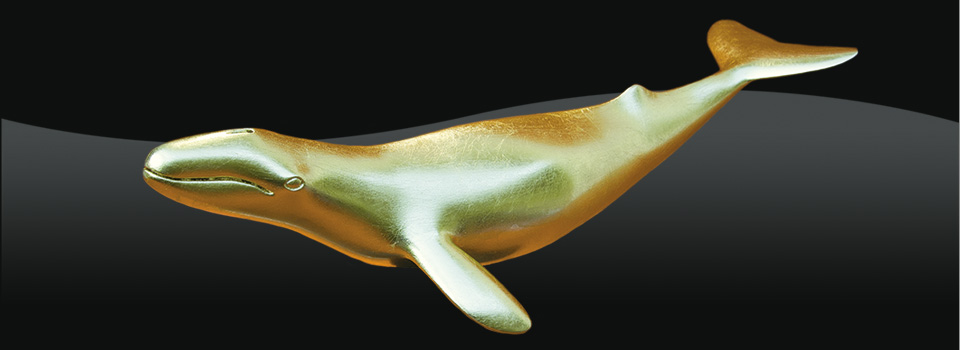
Paleo-acoustic artist Aaron Plunkett has created ‘Spirit of Pahat’, a life-like sculpture of a prehistoric whale […]
b
Donate Now!
Donate what you can. Every little bit helps.
Your tax-free donation helps us protect whales and other cetaceans, both living and fossilized.Our Story
Day of The Discovery
BIG CATCH - Wednesday morning, January 19, 2000, I went fishing wit...
Rainbow Bridge
The first Chumash people were created on Santa Cruz Island. They we...
Whales and the Natives
Written by lineal descendant of Ojai's Native Chief, the Honorable ...

